


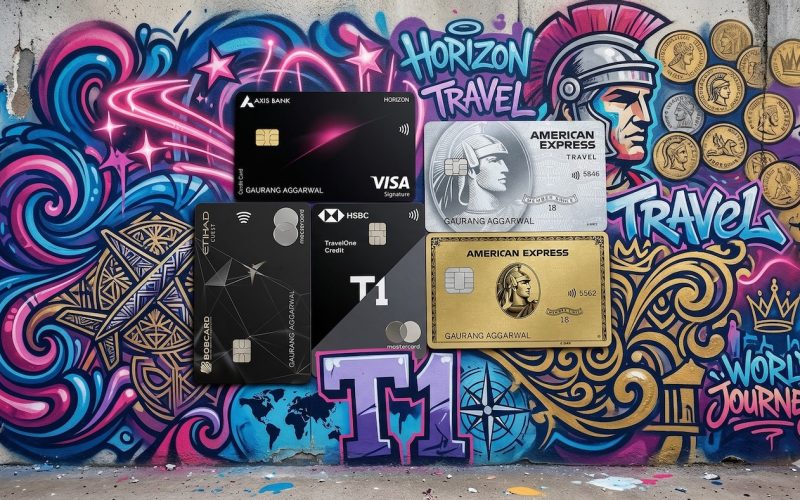
This guide will help you understand how credit cards work, their advantages and disadvantages, different types of credit cards in India, and how reward systems actually generate value.
What is a Credit Card and How Does it Work
A credit card is a financial instrument issued by a bank or financial institution that allows you to borrow money for purchases and repay it later within a defined billing cycle.
Each credit card comes with:
- A credit limit
- A billing cycle
- A due date
- An interest rate (applicable only if you do not pay the full amount)
If you pay your total outstanding balance on time, you get an interest-free period of up to 45 to 50 days.
In simple terms, a credit card enables you to manage cash flow efficiently while earning rewards on your spending.
Benefits of Using Credit Cards in India
Build a Strong Credit Score
Using a credit card responsibly improves your CIBIL score, which is essential for home loans, car loans, and business financing.
Earn Rewards and Cashback
Most credit cards offer reward points, cashback, or air miles on every transaction. This allows you to earn returns on expenses you already make.
Access Travel Benefits
Premium credit cards provide airport lounge access, travel insurance, and hotel memberships. These benefits are especially valuable for frequent travelers.
Improve Cash Flow Management
With an interest-free period, credit cards allow you to defer payments without incurring additional costs if used correctly.
Get Purchase Protection
Credit cards offer fraud protection, dispute resolution, and extended warranty benefits on selected purchases.
Disadvantages of Credit Cards You Must Know
High Interest Rates
If you do not pay your full outstanding balance, interest rates can range between 30 percent to 45 percent annually.
Risk of Overspending
Easy access to credit can lead to unnecessary spending if not managed with discipline.
Hidden Charges
Late payment fees, annual fees, and foreign transaction charges can increase your cost if not monitored.
Debt Trap Risk
Paying only the minimum due can result in compounding interest and long-term debt.
Types of Credit Cards in India
Understanding different categories of credit cards helps you choose the right one based on your spending habits.
Cashback Credit Cards
These cards offer direct cashback on everyday spending such as groceries, utility bills, and online shopping. Ideal for beginners.
Travel Credit Cards
Travel credit cards earn air miles or hotel loyalty points. They are best suited for frequent flyers and international travelers.
Premium and Lifestyle Credit Cards
These cards provide luxury benefits such as airport lounge access, golf privileges, concierge services, and higher reward rates. They usually come with higher annual fees.
Fuel Credit Cards
Fuel cards offer surcharge waivers and rewards on petrol and diesel expenses.
Co Branded Credit Cards
Issued in partnership with brands like Amazon, Flipkart, or airlines, these cards offer higher rewards within specific ecosystems.
Business Credit Cards
Designed for entrepreneurs and business owners to manage expenses, track spending, and earn rewards on operational costs.
Understanding Credit Card Reward Systems
Reward systems are the most important yet misunderstood aspect of credit cards.
Types of Credit Card Rewards
Cashback
A percentage of your spending is returned to you. This is simple but usually offers limited value.
Reward Points
Points earned on transactions can be redeemed for vouchers, products, or statement credit.
Air Miles and Hotel Points
These offer the highest potential value when transferred to airline and hotel loyalty programs.
How Credit Card Rewards Work in India
The value of rewards depends on three key factors:
Earn Rate
The number of reward points earned per rupee spent.
Redemption Value
The value you get when redeeming points. This can vary significantly.
Transfer Partners
Some premium cards allow you to transfer points to airline and hotel programs at favorable ratios such as 1:1. This is where maximum value is unlocked.
For example, a reward point may be worth:
- 0.25 rupees when redeemed as cashback
- 1 rupee or more when transferred to airline partners
Understanding this difference is critical for maximizing credit card rewards in India.
Key Credit Card Concepts You Should Know
Billing Cycle and Due Date
Your billing cycle determines when transactions are recorded, and the due date is when payment must be made.
Credit Utilization Ratio
This is the percentage of your credit limit that you use. Keeping it below 30 percent improves your credit score.
Annual Fees vs Benefits
Always compare the annual fee with the value of rewards and benefits received.
Forex Markup Charges
Most credit cards charge 2 percent to 4 percent on international transactions. Choosing a low forex card can save significant money.
Minimum Due Trap
Paying only the minimum due leads to high interest charges and should always be avoided.
Common Credit Card Mistakes to Avoid
- Paying only the minimum amount due
- Ignoring reward redemption strategies
- Choosing cards based on marketing rather than actual value
- Not tracking annual fees and benefits
- Using debit cards instead of credit cards for rewardable expenses
Who Should Use Credit Cards
Credit cards are suitable for individuals who:
- Have a stable income
- Can manage expenses responsibly
- Pay their full balance on time
- Want to earn rewards on everyday spending
They are not suitable for individuals who struggle with financial discipline or tend to overspend.
How to Choose the Best Credit Card in India
When selecting a credit card, consider the following:
- Your monthly spending pattern
- Categories where you spend the most
- Whether you prefer cashback or travel rewards
- Annual fee versus expected benefits
- Availability of transfer partners
- Additional perks such as lounge access and insurance
There is no single best credit card. The right card depends on your lifestyle and financial goals.
What You Will Learn on Finance with Gaurang
Finance with Gaurang is focused on helping you make smarter financial decisions through practical and actionable insights.
You will find:
- Detailed credit card reviews in India
- Best credit cards for cashback, travel, and rewards
- Strategies to maximize reward points and air miles
- Comparisons between popular credit cards
- Latest updates on credit card offers and changes
Final Thoughts
Credit cards are not just a payment tool. They are a financial strategy.
When used correctly, they help you:
- Save money
- Earn rewards
- Travel better
- Build a strong credit profile
When used incorrectly, they can lead to high-interest debt and financial stress.
The difference lies in understanding how the system works and using it to your advantage.
SEO Keywords Integrated Naturally
Primary keywords:
- credit cards in India
- best credit cards in India
- how credit cards work
- credit card rewards India
- types of credit cards
Secondary keywords:
- cashback credit cards India
- travel credit cards India
- credit card interest rates India
- improve CIBIL score with credit card
- credit card benefits and disadvantages
If you want next level execution, I can:
- Convert this into a high-converting landing page with CTA sections for affiliate links
- Create internal linking structure for your blog cluster
- Or turn this into multiple SEO articles to dominate credit card keywords in India
Here is a clean, professional, SEO-rich landing page blog for Finance with Gaurang. It avoids emojis and em dashes, uses natural keyword integration, and is structured for WordPress readability and ranking.
Credit Cards in India Explained: A Complete Beginner’s Guide
By Finance with Gaurang
Credit cards are one of the most powerful financial tools available today, yet they remain widely misunderstood in India. Many people either avoid them completely or use them without understanding how to maximize rewards, manage costs, and build long-term financial benefits.
This guide will help you understand how credit cards work, their advantages and disadvantages, different types of credit cards in India, and how reward systems actually generate value.
What is a Credit Card and How Does it Work
A credit card is a financial instrument issued by a bank or financial institution that allows you to borrow money for purchases and repay it later within a defined billing cycle.
Each credit card comes with:
- A credit limit
- A billing cycle
- A due date
- An interest rate (applicable only if you do not pay the full amount)
If you pay your total outstanding balance on time, you get an interest-free period of up to 45 to 50 days.
In simple terms, a credit card enables you to manage cash flow efficiently while earning rewards on your spending.
Benefits of Using Credit Cards in India
Build a Strong Credit Score
Using a credit card responsibly improves your CIBIL score, which is essential for home loans, car loans, and business financing.
Earn Rewards and Cashback
Most credit cards offer reward points, cashback, or air miles on every transaction. This allows you to earn returns on expenses you already make.
Access Travel Benefits
Premium credit cards provide airport lounge access, travel insurance, and hotel memberships. These benefits are especially valuable for frequent travelers.
Improve Cash Flow Management
With an interest-free period, credit cards allow you to defer payments without incurring additional costs if used correctly.
Get Purchase Protection
Credit cards offer fraud protection, dispute resolution, and extended warranty benefits on selected purchases.
Disadvantages of Credit Cards You Must Know
High Interest Rates
If you do not pay your full outstanding balance, interest rates can range between 30 percent to 45 percent annually.
Risk of Overspending
Easy access to credit can lead to unnecessary spending if not managed with discipline.
Hidden Charges
Late payment fees, annual fees, and foreign transaction charges can increase your cost if not monitored.
Debt Trap Risk
Paying only the minimum due can result in compounding interest and long-term debt.
Types of Credit Cards in India
Understanding different categories of credit cards helps you choose the right one based on your spending habits.
Cashback Credit Cards
These cards offer direct cashback on everyday spending such as groceries, utility bills, and online shopping. Ideal for beginners.
Travel Credit Cards
Travel credit cards earn air miles or hotel loyalty points. They are best suited for frequent flyers and international travelers.
Premium and Lifestyle Credit Cards
These cards provide luxury benefits such as airport lounge access, golf privileges, concierge services, and higher reward rates. They usually come with higher annual fees.
Fuel Credit Cards
Fuel cards offer surcharge waivers and rewards on petrol and diesel expenses.
Co Branded Credit Cards
Issued in partnership with brands like Amazon, Flipkart, or airlines, these cards offer higher rewards within specific ecosystems.
Business Credit Cards
Designed for entrepreneurs and business owners to manage expenses, track spending, and earn rewards on operational costs.
Understanding Credit Card Reward Systems
Reward systems are the most important yet misunderstood aspect of credit cards.
Types of Credit Card Rewards
Cashback
A percentage of your spending is returned to you. This is simple but usually offers limited value.
Reward Points
Points earned on transactions can be redeemed for vouchers, products, or statement credit.
Air Miles and Hotel Points
These offer the highest potential value when transferred to airline and hotel loyalty programs.
How Credit Card Rewards Work in India
The value of rewards depends on three key factors:
Earn Rate
The number of reward points earned per rupee spent.
Redemption Value
The value you get when redeeming points. This can vary significantly.
Transfer Partners
Some premium cards allow you to transfer points to airline and hotel programs at favorable ratios such as 1:1. This is where maximum value is unlocked.
For example, a reward point may be worth:
- 0.25 rupees when redeemed as cashback
- 1 rupee or more when transferred to airline partners
Understanding this difference is critical for maximizing credit card rewards in India.
Key Credit Card Concepts You Should Know
Billing Cycle and Due Date
Your billing cycle determines when transactions are recorded, and the due date is when payment must be made.
Credit Utilization Ratio
This is the percentage of your credit limit that you use. Keeping it below 30 percent improves your credit score.
Annual Fees vs Benefits
Always compare the annual fee with the value of rewards and benefits received.
Forex Markup Charges
Most credit cards charge 2 percent to 4 percent on international transactions. Choosing a low forex card can save significant money.
Minimum Due Trap
Paying only the minimum due leads to high interest charges and should always be avoided.
Common Credit Card Mistakes to Avoid
- Paying only the minimum amount due
- Ignoring reward redemption strategies
- Choosing cards based on marketing rather than actual value
- Not tracking annual fees and benefits
- Using debit cards instead of credit cards for rewardable expenses
Who Should Use Credit Cards
Credit cards are suitable for individuals who:
- Have a stable income
- Can manage expenses responsibly
- Pay their full balance on time
- Want to earn rewards on everyday spending
They are not suitable for individuals who struggle with financial discipline or tend to overspend.
How to Choose the Best Credit Card in India
When selecting a credit card, consider the following:
- Your monthly spending pattern
- Categories where you spend the most
- Whether you prefer cashback or travel rewards
- Annual fee versus expected benefits
- Availability of transfer partners
- Additional perks such as lounge access and insurance
There is no single best credit card. The right card depends on your lifestyle and financial goals.
What You Will Learn on Finance with Gaurang
Finance with Gaurang is focused on helping you make smarter financial decisions through practical and actionable insights.
You will find:
- Detailed credit card reviews in India
- Best credit cards for cashback, travel, and rewards
- Strategies to maximize reward points and air miles
- Comparisons between popular credit cards
- Latest updates on credit card offers and changes
Final Thoughts
Credit cards are not just a payment tool. They are a financial strategy.
When used correctly, they help you:
- Save money
- Earn rewards
- Travel better
- Build a strong credit profile
When used incorrectly, they can lead to high-interest debt and financial stress.
The difference lies in understanding how the system works and using it to your advantage.