


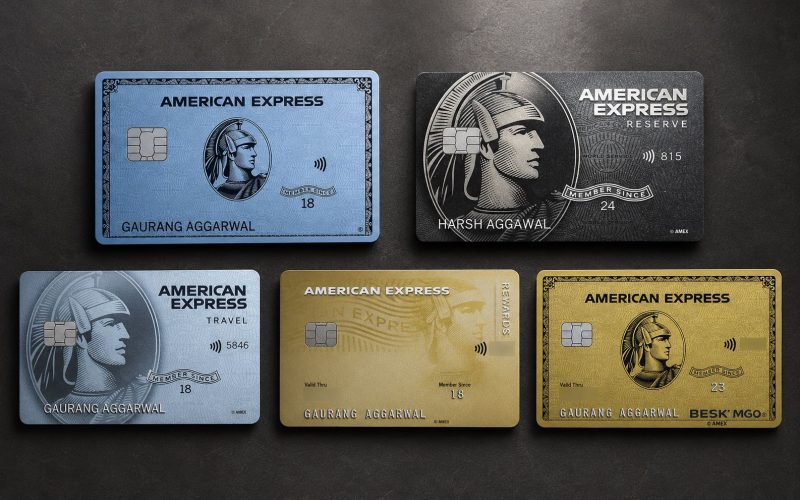
American Express is one of the most aspirational card networks in the world. It is strongly associated with premium travel, airport lounge access, hotel benefits, concierge support, Membership Rewards, airline and hotel transfers, and high-value lifestyle benefits.
But when you actually travel abroad, one practical question matters more than the brand value:
Can you actually use American Express internationally?
The honest answer is:
Yes, but not everywhere.
American Express acceptance abroad is extremely country-specific, city-specific, and merchant-specific. In some countries, American Express works almost like a regular card. In others, it works mainly at hotels, airlines, luxury stores, malls, premium restaurants, and international chains. And in some countries, it can become frustrating for everyday usage.
So, the safest rule is:
Use American Express where it works. Always carry Visa or Mastercard as backup.
The Biggest Takeaway
American Express is not useless abroad. That is a myth.
But American Express is also not a reliable one-card solution for international travel.
American Express generally works better at:
- Premium hotels
- International hotel chains
- Airlines
- Airport merchants
- Luxury stores
- High-end restaurants
- Large malls
- Tourist-heavy areas
- Car rentals
- Major online travel portals
- International brands
American Express generally struggles at:
- Small restaurants
- Local cafés
- Grocery stores
- Local transport
- Parking machines
- Taxis
- Petrol pumps in some countries
- Small shops
- Budget hotels
- Public service counters
- Smaller towns
- Local markets
This is why two travellers can visit the same country and have totally different experiences. Someone staying in luxury hotels and eating at premium restaurants may say American Express worked everywhere. Someone else staying local, eating at smaller restaurants, and using public transport may say American Express was almost useless.
Both can be right.
Asia: One of the Strongest Regions for American Express
Asia is not uniform, but some Asian countries show very strong American Express acceptance.
Japan: Very High Acceptance
Japan is one of the strongest countries for American Express acceptance.
In cities such as Tokyo, Osaka and Kyoto, American Express often works very well wherever cards are accepted. Japan also appears to benefit from local network partnerships, which improves American Express usability.
Verdict: Very high acceptance.
Best use cases: Hotels, restaurants, malls, department stores, convenience stores, tourist attractions, premium retail and travel bookings.
Caveat: Rural areas, cash-only eateries and small local businesses may still require cash or another card.
South Korea: Very High Acceptance
South Korea is another strong American Express market.
In Seoul and other major urban areas, travellers report strong acceptance across restaurants, hotels, malls, branded stores and tourist areas.
Verdict: Very high acceptance.
Caveat: Some smaller merchants and specific convenience stores may still reject it.
China: Good Through Payment Apps, Mixed Directly
China is a special case.
American Express can work well when linked through Alipay or WeChat Pay. In that case, the merchant may not need to directly accept American Express at the terminal because the payment is processed through the app.
Verdict: Good through Alipay and WeChat Pay; mixed if using the physical card directly.
Caveat: Direct card acceptance may be less predictable. Always keep another card and local payment setup ready.
Singapore: Good
Singapore is card-friendly and premium-travel friendly. American Express should work well at malls, hotels, restaurants, luxury retail, airport merchants and major brands.
Verdict: Good acceptance.
Caveat: Smaller local merchants may still prefer Visa, Mastercard or local payment methods.
Hong Kong: Good
Hong Kong has strong urban acceptance, especially in malls, hotels, restaurants, premium retail and commercial areas.
Verdict: Good acceptance.
Taiwan: Good
Taiwan shows positive acceptance signals, especially in cities and tourist-friendly areas.
Verdict: Good acceptance.
India: Mixed to Weak for Everyday Offline Usage
India is an important caveat.
American Express is useful at selected premium merchants, large restaurants, hotels, online merchants and some retail chains. But it is not as widely accepted as Visa and Mastercard for everyday offline spending.
Verdict: Mixed to weak for daily offline usage.
Best use cases: Premium spends, online spends, selected large merchants, hotels and restaurants.
Caveat: Smaller shops, local merchants and many offline stores may not accept it.
Asia Summary
| Country / Region | American Express Acceptance |
|---|---|
| Japan | Very high |
| South Korea | Very high |
| China | Good via Alipay / WeChat Pay, mixed directly |
| Singapore | Good |
| Hong Kong | Good |
| Taiwan | Good |
| India | Mixed to weak for everyday offline use |
| Thailand, Malaysia, Indonesia, Vietnam, Philippines | Needs more country-specific data |
Europe: The Most Complicated Region
Europe is the most confusing region for American Express.
It is not accurate to say “American Express does not work in Europe.” But it is also not accurate to say “American Express is widely accepted in Europe.”
The better answer is:
Europe is highly fragmented. American Express works better in premium and tourist environments, but daily acceptance is inconsistent.
Hotels, luxury stores, major retailers and high-end restaurants are safer. Local restaurants, cafés, groceries, kiosks, transport machines, parking machines and smaller towns can be problematic.
United Kingdom: Good, Especially London
The United Kingdom remains one of the better European markets for American Express.
London is relatively strong, especially for transport, supermarkets, hotels, flights, big retailers and many restaurants. However, it is still not universal.
Verdict: Good acceptance.
Where it works better: London, supermarkets, transport, hotels, large retailers, flights and premium merchants.
Where it can fail: Small cafés, pubs, barbers, parking machines, vending machines, some government services, small towns and rural areas.
France: Mixed to Weak Outside Premium Areas
France is mixed.
Paris can work at hotels, luxury stores, premium restaurants, tourist attractions and international brands. However, there are also reports of American Express being rejected at cafés, metro-related spends, museums, restaurants and merchants in southern France.
Verdict: Mixed to weak.
Best use cases: Hotels, luxury retail, premium restaurants and tourist-heavy merchants.
Caveat: Do not rely on it for daily spending.
Italy: Mixed, Better in Tourist Routes
Italy has very mixed acceptance.
Rome, Venice, Florence, Naples and Amalfi-type tourist routes can be reasonably usable. Hotels, car rentals and nicer restaurants often have better acceptance. But Sicily, local restaurants, pharmacies, ticket counters, convenience stores and smaller towns can be much weaker.
Verdict: Mixed.
Best use cases: Hotels, rental cars, premium restaurants, designer shopping and major tourist areas.
Spain: Mixed to Good
Spain has better signals than some other parts of mainland Europe.
Madrid and Barcelona may offer decent acceptance at larger merchants, hotels, restaurants and tourist-heavy areas. Some travellers report fairly strong acceptance, but others still find rejections common.
Verdict: Mixed to good.
Caveat: Local restaurants, small merchants and everyday spends still require backup.
Germany: Mixed to Weak for Everyday Usage
Germany remains inconsistent.
Some regions, especially parts of Bavaria and major cities, may be better than expected. But many travellers still report low acceptance at restaurants, small merchants and daily-use locations. Germany also has a stronger cash and debit-card culture than many travellers expect.
Verdict: Mixed to weak for everyday usage.
Best use cases: Major hotels, big retailers, premium restaurants and travel spends.
Netherlands: Mixed
Amsterdam may be better than the rest of the Netherlands, especially in tourist and commercial areas. But acceptance is not dependable. Groceries and smaller merchants can be problematic.
Verdict: Mixed.
Switzerland: Mixed to Good in Premium and Tourist Areas
Switzerland has conflicting signals. Some travellers report strong acceptance across Zurich, Bern, Basel, Lucerne and tourist areas. Others were surprised by how many places did not accept American Express.
Verdict: Mixed to good, but not universal.
Best use cases: Tourist areas, hotels, premium restaurants and major merchants.
Austria: Mixed
Austria has conflicting data. Western Austria has some positive signals, but other travellers report poor acceptance across Austria.
Verdict: Mixed.
Caveat: Do not show Austria as strong. American Express should be treated as a try-first card here.
Denmark: Weak to Mixed
Denmark is card-friendly but not necessarily American Express-friendly.
Copenhagen and premium tourist areas may be better, but outside upscale restaurants and tourist-heavy merchants, acceptance can be weak.
Verdict: Weak to mixed.
Finland: Mixed
Finland has mixed but slightly better-than-expected signals in Helsinki and Oulu. Restaurants, cafés, museums and galleries may accept American Express, but another card is still essential.
Verdict: Mixed.
Norway: Mixed
Norway is card-friendly, but American Express is not universal. Some major grocery chains and everyday merchants may not accept it.
Verdict: Mixed.
Sweden: Weak to Mixed
Sweden appears weaker for American Express than Visa and Mastercard, especially for daily spending.
Verdict: Weak to mixed.
Greece: Weak
Greece has repeatedly shown weak acceptance. Hotels and upscale tourist merchants may accept American Express, but everyday acceptance is poor.
Verdict: Weak.
Portugal: Weak
Portugal, including Lisbon and Porto, appears weak for American Express acceptance. Hotels, ride-hailing apps and some premium merchants may work, but daily usage can be frustrating.
Verdict: Weak.
Belgium: Mixed to Weak
Belgium has weak-to-mixed signals. Some merchants may accept American Express, but Brussels, Bruges and other areas appear inconsistent.
Verdict: Mixed to weak.
Poland: Weak
Poland appears weak for American Express, except perhaps major hotels, international retailers and premium merchants.
Verdict: Weak.
Czech Republic: Mixed to Weak
Prague may have some acceptance in tourist areas, but there are many reports of rejections at restaurants, transport, retail and daily merchants.
Verdict: Mixed to weak.
Hungary: Weak
Budapest and Hungary show weak American Express acceptance, especially for restaurants and retail.
Verdict: Weak.
Croatia: Mixed
Croatia has limited but mixed signals. Some tourist areas may accept American Express, but it should not be relied upon.
Verdict: Mixed.
Turkey: Mixed
Turkey has limited but useful signals suggesting American Express may work at around half of businesses in some areas. It should be treated as a backup-dependent market.
Verdict: Mixed.
Europe Summary
| Country / Region | American Express Acceptance |
|---|---|
| United Kingdom | Good |
| Spain | Mixed to good |
| Switzerland | Mixed to good |
| Italy | Mixed |
| Germany | Mixed to weak |
| Netherlands | Mixed |
| Austria | Mixed |
| Finland | Mixed |
| Norway | Mixed |
| Croatia | Mixed |
| Turkey | Mixed |
| France | Mixed to weak |
| Belgium | Mixed to weak |
| Denmark | Weak to mixed |
| Czech Republic | Mixed to weak |
| Greece | Weak |
| Portugal | Weak |
| Poland | Weak |
| Hungary | Weak |
| Eastern Europe broadly | Weak to mixed |
North America: Stronger Overall
United States: Excellent
The United States is American Express’s strongest market. Acceptance is widespread across hotels, restaurants, retail, travel, online shopping and premium categories.
Verdict: Excellent.
Caveat: Some smaller merchants may still reject it because of merchant fees.
Canada: Good, But Not Universal
Canada is generally good but not as universal as the United States. Large cities, hotels, restaurants and premium merchants are better. Smaller merchants can be inconsistent.
Verdict: Good.
Mexico: Good
Mexico shows strong positive signals, especially in cities and tourist areas. Hotels, restaurants, tourist merchants and larger businesses are likely to be better.
Verdict: Good.
Latin America: Better Than Expected
Latin America has surprisingly positive American Express acceptance in several countries, especially at bigger businesses, hotels, malls, tourist areas and restaurants.
However, this region should not be painted fully green. Small merchants and local purchases still require backup.
Brazil: Good
Brazil appears to have good acceptance, especially in large cities and bigger merchants.
Verdict: Good.
Argentina: Good to Very Good
Argentina has strong positive signals. American Express is issued locally and appears to be accepted at many merchants.
Verdict: Good to very good.
Chile: Good
Chile has strong traveller feedback and appears to be one of the better Latin American markets for American Express.
Verdict: Good.
Colombia: Good in Major Areas
Colombia appears better than expected, especially in major cities and tourist-heavy areas.
Verdict: Good in major areas.
Costa Rica: Good
Costa Rica has positive acceptance signals, including higher-tier hotels and even some small-town merchants.
Verdict: Good.
Ecuador: Good to Mixed-Good
Ecuador appears to accept American Express in many places, though less than Visa and Mastercard.
Verdict: Good to mixed-good.
Paraguay: Mixed-Good
Paraguay acceptance appears terminal-dependent, but there are positive signals where supported payment terminals are available.
Verdict: Mixed-good.
Honduras: Good, But Limited Data
Honduras has a positive traveller signal, but the data is limited.
Verdict: Good, but needs more confirmation.
Latin America Summary
| Country | American Express Acceptance |
|---|---|
| Argentina | Good to very good |
| Brazil | Good |
| Chile | Good |
| Mexico | Good |
| Costa Rica | Good |
| Colombia | Good in major areas |
| Ecuador | Good to mixed-good |
| Paraguay | Mixed-good |
| Honduras | Good, limited data |
| Uruguay | Insufficient direct data |
Middle East: Premium Acceptance, Weak Everyday Reliability
United Arab Emirates / Dubai: Mixed
Dubai and the United Arab Emirates should not be marked as high acceptance.
American Express works better at high-end restaurants, major retailers, online merchants, hotels, malls, supermarkets and premium merchants. But everyday acceptance can still be inconsistent, and restaurants can be hit or miss.
Verdict: Mixed.
Best use cases: Hotels, malls, premium restaurants, luxury retail, major brands and online merchants.
Caveat: Everyday usage can be frustrating. Carry Visa or Mastercard backup.
Oman: Weak to Mixed
Oman has weak-to-mixed signals. American Express may work at selected large retailers, utilities, school payments, clothing shops and some petrol stations, but acceptance is inconsistent.
Verdict: Weak to mixed.
Caveat: Petrol pumps, fast food, local supermarkets and smaller merchants can reject it.
Middle East Summary
| Country | American Express Acceptance |
|---|---|
| United Arab Emirates | Mixed |
| Oman | Weak to mixed |
| Qatar | Needs more data |
| Saudi Arabia | Needs more data |
| Bahrain | Needs more data |
| Kuwait | Needs more data |
Oceania: Generally Good
Australia: Good
Australia appears to be a good American Express market, especially in cities, hotels, restaurants, retail and travel-related spending.
Verdict: Good.
New Zealand: Good
New Zealand also shows positive signals, especially in cities and travel-heavy contexts.
Verdict: Good.
Africa: Needs More Country-Specific Data
For major African travel markets such as South Africa, Egypt, Morocco and Kenya, more country-specific direct data is needed before assigning a strong heatmap rating.
A safe assumption is that American Express may work better at premium hotels, airlines, tourist operators and international chains, but daily acceptance may be inconsistent.
Verdict: Insufficient data for strong country-level rating.
Overall Country Ranking
Very High Acceptance
- United States
- Japan
- South Korea
Good Acceptance
- United Kingdom
- Singapore
- Hong Kong
- Taiwan
- China through Alipay and WeChat Pay
- Australia
- New Zealand
- Canada
- Mexico
- Brazil
- Argentina
- Chile
- Costa Rica
Mixed to Good
- Spain
- Switzerland
- Ecuador
- Paraguay
- Colombia in major areas
- Honduras, with limited data
Mixed
- Italy
- Netherlands
- Austria
- Finland
- Norway
- Croatia
- Turkey
- United Arab Emirates
- Germany, but weaker for daily use
Mixed to Weak
- France
- Belgium
- Denmark
- Czech Republic
- Oman
Weak
- Greece
- Portugal
- Poland
- Hungary
- Iceland
- Sweden for everyday acceptance
- Eastern Europe broadly
- India for offline everyday use
Merchant-Type Ranking
Country matters, but merchant type matters even more.
High Chance of American Express Acceptance
- Premium hotels
- International hotel chains
- Airlines
- Airport merchants
- Luxury stores
- Car rentals
- Major online travel portals
- Large malls
- Premium restaurants
- Department stores
- Tourist attractions
Medium Chance of Acceptance
- Regular restaurants in big cities
- Branded cafés
- Large supermarkets
- Museums and galleries
- Popular tourist restaurants
- Retail chains
- Ride-hailing apps
- Online merchants
Low Chance of Acceptance
- Local cafés
- Small restaurants
- Local grocery stores
- Small supermarkets
- Local taxis
- Public transport machines
- Parking machines
- Vending machines
- Street markets
- Budget hotels
- Rural merchants
- Cash-heavy businesses
Important Point for Indian American Express Cardholders
For Indian users, acceptance is only the first filter.
The real question is not just:
“Will American Express be accepted abroad?”
The better question is:
“After foreign exchange charges, tax on markup and reward value, is this transaction actually worth doing on American Express?”
Indian American Express cards may offer good Membership Rewards value if redeemed well. But foreign exchange markup and tax on markup can reduce or wipe out the benefit.
So before using American Express internationally, check:
- Whether the merchant accepts American Express
- The foreign exchange markup on your card
- The tax impact on the markup
- The reward rate on that transaction
- The realistic value of your redemption
- Whether the transaction will code correctly for bonus rewards
For Indian travellers, American Express can make sense when:
- The merchant accepts it
- The reward multiplier is meaningful
- The redemption value is high
- You are transferring points to hotels or airlines at strong value
- The net reward value beats the foreign exchange cost
It may not make sense when:
- Acceptance is poor
- The card earns only base rewards
- You redeem points at low value
- Forex charges exceed reward value
- You are spending mostly at small local merchants
Best Travel Strategy
The smartest international wallet setup is:
American Express for rewards and premium benefits. Visa or Mastercard for acceptance. Debit card or cash for emergencies.
Use American Express first at:
- Hotels
- Airlines
- Premium dining
- Luxury stores
- Travel bookings
- Large retailers
- Tourist-heavy merchants
Use Visa or Mastercard for:
- Local restaurants
- Public transport
- Grocery stores
- Parking
- Small shops
- Taxis
- Smaller towns
- Countries with weak American Express acceptance
Use cash or debit card for:
- Street markets
- Local transport
- Emergency situations
- Rural areas
- Cash-heavy merchants
Final Verdict
American Express is a premium travel companion, not a universal travel card.
It can be excellent in countries like the United States, Japan and South Korea. It can be good in the United Kingdom, Singapore, Hong Kong, Taiwan, Australia, New Zealand, Canada, Mexico, Brazil, Argentina, Chile and Costa Rica. It can be mixed in much of Europe, Dubai, Turkey, Oman and parts of Latin America.
Europe deserves the biggest warning: American Express acceptance is fragmented. The United Kingdom is comparatively strong. Spain and Switzerland can be decent. Italy, Germany, Netherlands, Austria and Finland are mixed. France, Belgium, Denmark and Czech Republic require caution. Greece, Portugal, Poland and Hungary are weak.
For Indian American Express users, the final test is not just acceptance.
The final test is:
Acceptance plus reward value minus foreign exchange cost.
That is what decides whether using American Express abroad is actually worth it.
